Blockchain technology has emerged as a revolutionary mechanism that reshapes how we manage, share, and secure data. But what exactly is blockchain? At its core, blockchain is a decentralized digital ledger that records transactions across multiple computers. This ensures that the data is secure, transparent, and tamper-proof, making it a game-changer for various industries, including finance, supply chain, and healthcare. In a world where trust and security are paramount, understanding blockchain can empower professionals and investors alike.
How does blockchain work?
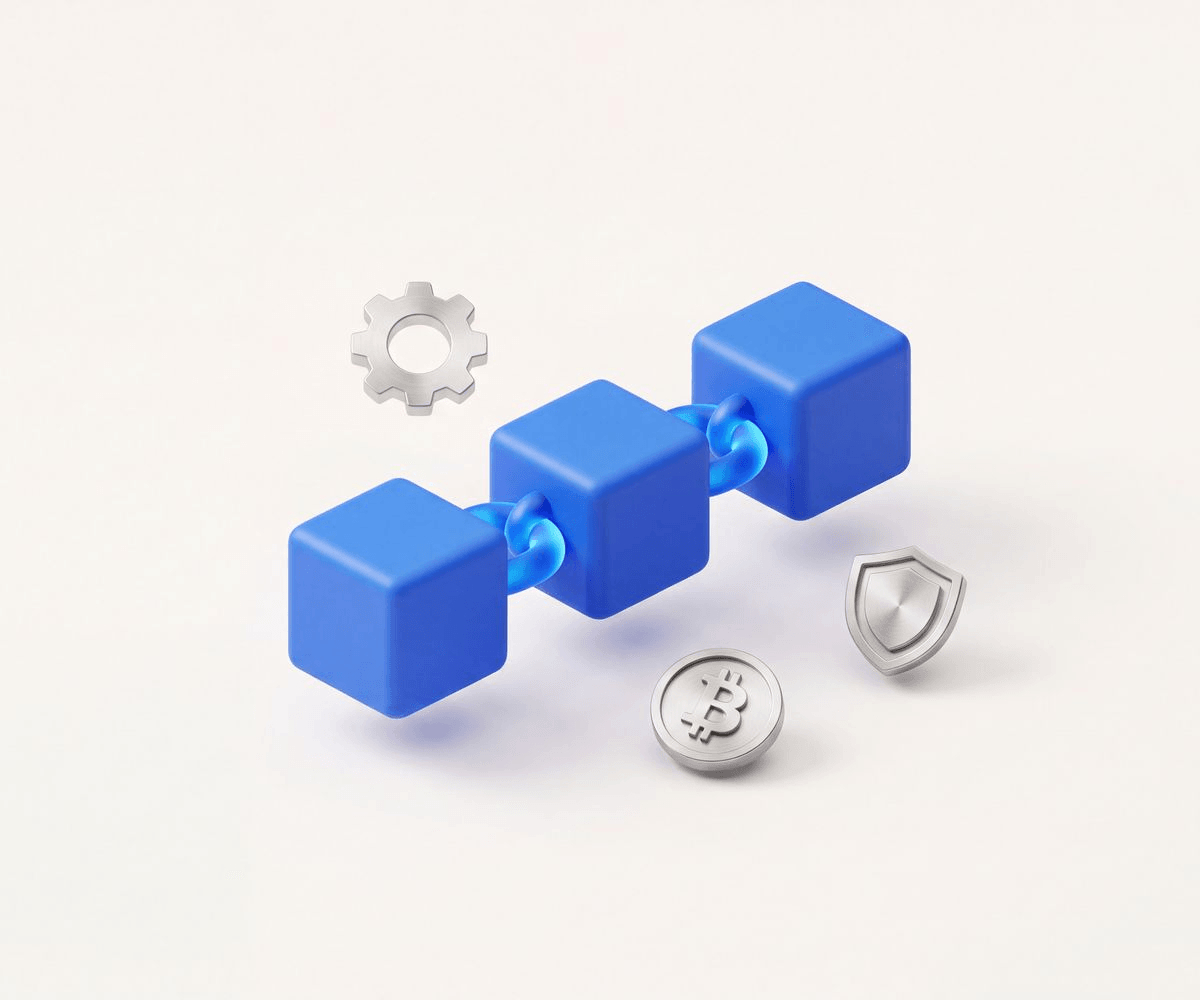
Blockchain operates through a network of computers, known as nodes, that work together to validate and record transactions. Each transaction is grouped into a block, which is then added to a chain of previous blocks—hence the term “blockchain.” This process involves complex cryptographic algorithms that ensure the integrity and security of the data.
When a block is added to the chain, it becomes nearly impossible to alter the information without the consensus of the entire network. This decentralized nature eliminates the need for intermediaries, reducing costs and increasing efficiency. To illustrate, consider a global supply chain where each transaction—from the manufacturer to the retailer—is recorded on a blockchain. Every participant in the supply chain can access and verify the data in real-time, leading to enhanced transparency and reduced fraud.
What benefits does blockchain offer?
Enhanced Security
Blockchain’s decentralized architecture makes it inherently secure. Since data is stored across multiple nodes, it is less vulnerable to hacking or unauthorized access. For instance, in the financial sector, blockchain can safeguard sensitive transaction information, offering a level of security that traditional banking systems struggle to achieve.
Increased Transparency
All participants in a blockchain network can view the same data, which fosters trust and accountability. In industries like healthcare, where patient data is critical, blockchain can ensure that all stakeholders have access to accurate and up-to-date information without compromising privacy.
Cost Efficiency
By eliminating intermediaries, blockchain reduces transaction costs. For example, cross-border payments can be executed faster and at a lower cost through blockchain technology, benefiting both businesses and consumers. The ability to conduct transactions directly between parties streamlines processes and minimizes fees associated with traditional banking methods.
Faster Transactions
Traditional banking systems often involve lengthy transaction times, especially for international transfers. Blockchain technology enables near-instantaneous transactions, regardless of geographical boundaries, enhancing the user experience for both businesses and individuals.
Traceability
In sectors such as food and pharmaceuticals, blockchain can track the journey of products from origin to consumer. This traceability helps in identifying the source of issues, such as contamination or recalls, thereby improving safety and consumer trust.
Conclusion
Blockchain technology represents a significant advancement in how we handle data and transactions across various industries. Its features, such as enhanced security, increased transparency, cost efficiency, faster transactions, and traceability, make it a powerful tool. For professionals and investors looking to navigate this new landscape, leveraging blockchain could be the key to unlocking new opportunities. At Wallbit, we understand the importance of operating on secure networks, and we’re here to help you harness the potential of blockchain in your financial endeavors.