
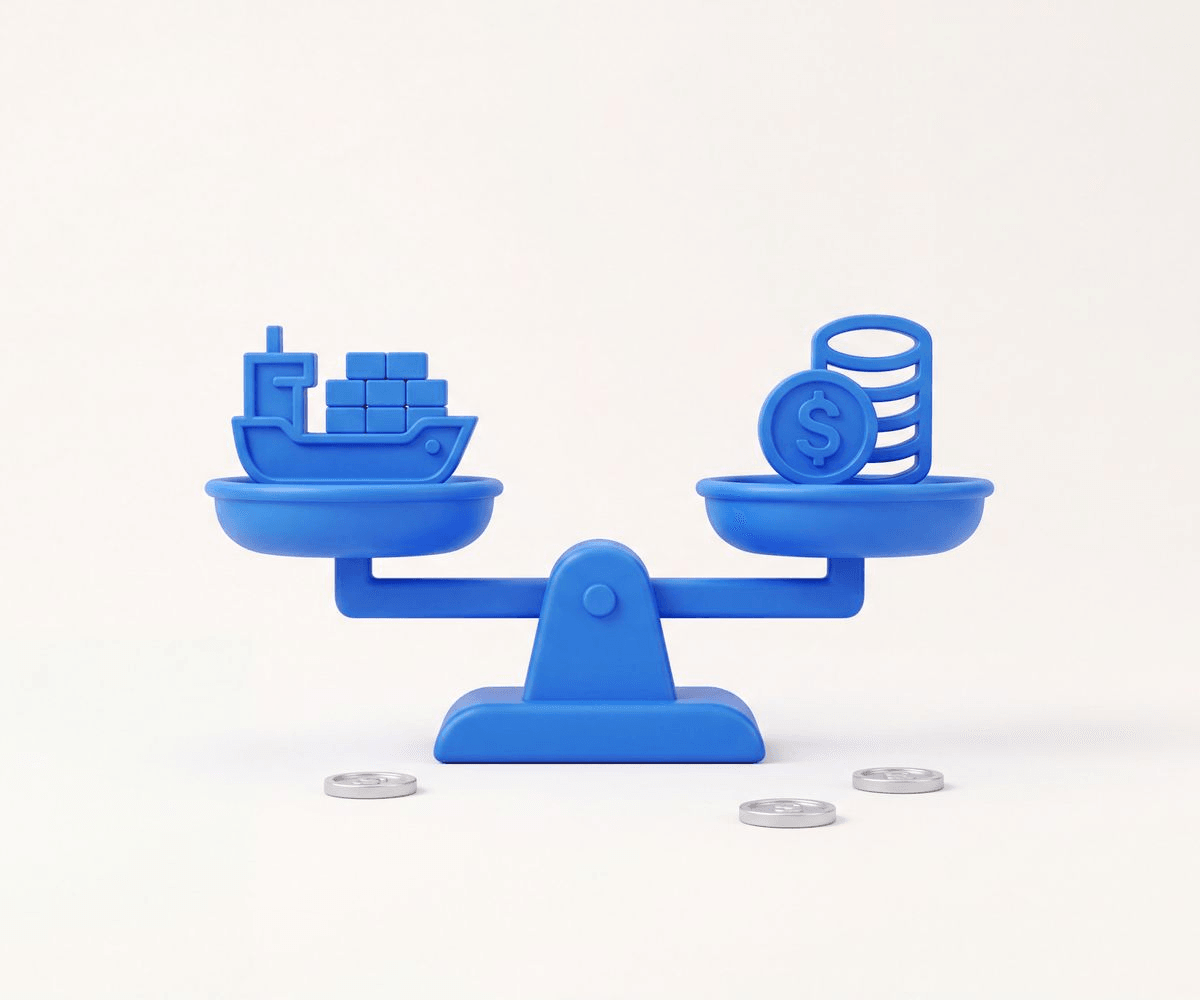
In today’s interconnected global economy, understanding the trade balance is crucial for professionals and businesses alike. The trade balance reflects the difference between a country’s exports and imports, influencing currency values and economic policies. For freelancers and small businesses operating internationally, grasping this concept can help navigate financial landscapes and optimize revenue streams.
How does the trade balance work?
The trade balance is calculated by subtracting a nation’s total imports from its total exports within a specific period. A positive trade balance, or trade surplus, occurs when exports exceed imports, while a negative trade balance, or trade deficit, arises when imports surpass exports. This balance significantly impacts a country’s currency valuation and overall economic health.
- Exports: Goods and services sold to other countries. When exports increase, the demand for a country’s currency rises, leading to appreciation.
- Imports: Goods and services purchased from other countries. A rise in imports can lead to currency depreciation if not matched by exports.
Understanding these dynamics is essential, especially for remote workers and businesses that rely on international transactions.
What benefits does the trade balance offer?
Economic growth
A favorable trade balance can stimulate economic growth. When a country exports more than it imports, it generates revenue, leading to job creation and increased investment in local industries.
Currency stability
A positive trade balance often contributes to a stronger currency. This stability can lower the cost of imported goods, benefiting consumers and businesses alike. Conversely, a trade deficit may weaken a currency, making imports more expensive.
Investment opportunities
Countries with a favorable trade balance tend to attract foreign investment. Investors are more likely to invest in nations that demonstrate economic strength through positive trade figures, which can lead to more resources for local businesses.
Financial strategy for freelancers and SMEs
For freelancers and small businesses, being aware of the trade balance can inform financial strategies. Understanding how fluctuations in imports and exports affect currency values can lead to better pricing strategies and revenue management.
Conclusion
Grasping the concept of the trade balance is vital for professionals and businesses engaged in international markets. By recognizing how exports and imports influence economic health and currency stability, you can make informed decisions that boost your financial success. At Wallbit, we empower you to capitalize on your export revenues, enabling you to receive payments seamlessly in foreign currencies. Let’s thrive in the global market together!